ITI vs Polytechnic vs Diploma: Which Path is Right for You?
Detailed comparison of ITI, Polytechnic, and Diploma courses — duration, fees, eligibility, career scope, and which is best for your goals.
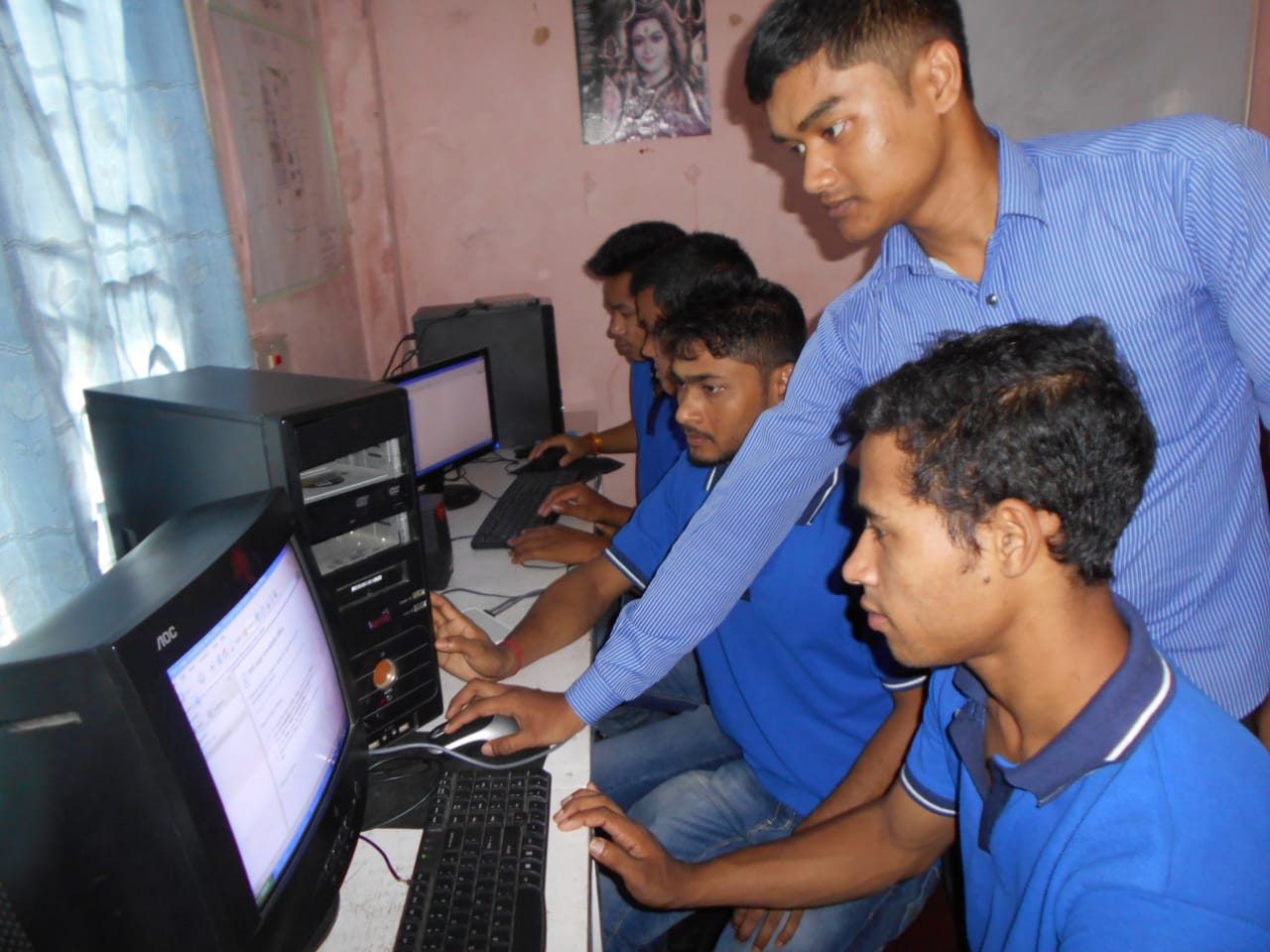
One of the most common questions students and parents ask is: “After Class 10 or 12, should I go for ITI, Polytechnic, or a Diploma?” The terms are often used interchangeably, but they refer to very different qualifications with distinct outcomes.
This guide breaks down each option, compares them head-to-head, and helps you pick the right path based on your goals.
What is ITI?
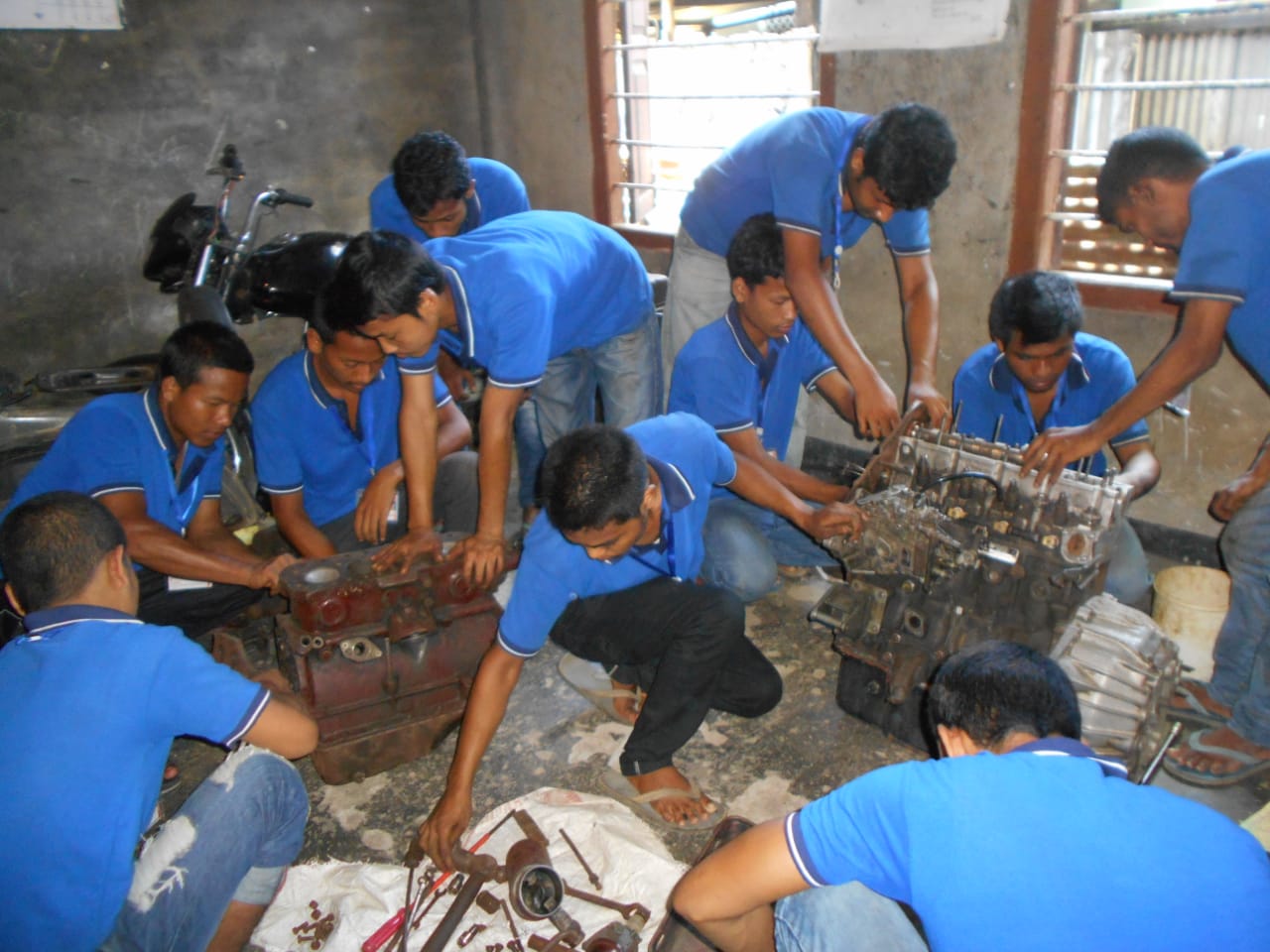
ITI (Industrial Training Institute) is a vocational training programme that focuses on hands-on skills in a specific trade. ITI courses are offered by government and private institutes and are recognised by:
- NCVT (National Council for Vocational Training) — at the national level
- SCVT (State Council for Vocational Training) — at the state level
ITI Lakhimpur, for example, is an SCVT-recognized institute under the Govt. of Assam.
Key characteristics:
- Duration: 6 months to 2 years (depending on the trade)
- Focus: Practical, workshop-based training
- Certification: Trade certificate or diploma
- Eligibility: Class 8 or Class 10 passed (trade-dependent)
What is Polytechnic?
Polytechnic is a 3-year diploma programme in engineering or technology offered by polytechnic colleges. The qualification awarded is usually a Diploma in Engineering in a specific branch (e.g., Mechanical, Civil, Electrical, Computer Science).
Key characteristics:
- Duration: 3 years
- Focus: Mix of theory and practical, with a stronger academic foundation
- Certification: Diploma in Engineering
- Eligibility: Class 10 passed (for most polytechnics) — admission usually through a state-level entrance exam
- Pathway: Diploma holders can apply for B.Tech lateral entry into the 2nd year, a major advantage.
What is a “Diploma”?
“Diploma” is a broad term that can refer to:
- Diploma in Engineering (same as Polytechnic — 3 years, often used interchangeably)
- Diploma in a non-engineering field (e.g., Diploma in Computer Applications, Diploma in Business Management — usually 1 year)
In the context of “ITI vs Polytechnic vs Diploma”, most people mean Diploma in Engineering, which is essentially the Polytechnic path.
Side-by-Side Comparison
| Factor | ITI | Polytechnic / Diploma in Engineering |
|---|---|---|
| Duration | 6 months – 2 years | 3 years |
| Entry qualification | Class 8 or Class 10 | Class 10 |
| Focus | Practical, trade-specific | Theory + practical, broader engineering |
| Certification | Trade certificate (NCVT/SCVT) | Diploma in Engineering |
| Cost | Lowest (subsidised by govt) | Low to moderate |
| Direct job readiness | Very high | High |
| Further studies | Limited (AMIE, certifications) | B.Tech lateral entry (2nd year) |
| Government job eligibility | Yes | Yes |
| Self-employment scope | High | Moderate |
When to Choose ITI
ITI is the right choice if you:
- Want to enter the workforce quickly — many ITI graduates are earning within 1–2 years of starting.
- Prefer hands-on learning over long academic study.
- Have a specific trade in mind (e.g., Electrician, Fitter, Motor Mechanic, COPA).
- Plan to start a small workshop or service business in your hometown.
- Come from a rural or economically weaker background and need the most affordable path into a technical career.
For most ITI trades, the entire programme costs a fraction of a 3-year diploma, making it accessible to students who cannot afford longer programmes.
Explore specific ITI courses at ITI Lakhimpur:
When to Choose Polytechnic
Polytechnic is the right choice if you:
- Want a broader engineering education with exposure to multiple subjects.
- Plan to pursue B.Tech through lateral entry (saves 1 year vs regular B.Tech).
- Aspire to work in core engineering industries that prefer diploma-qualified candidates.
- Are willing to invest 3 years in formal study.
- Performed well in Class 10 and may be eligible for state-level polytechnic entrance exams.
When to Choose a Diploma (Non-Engineering)
A short-term Diploma (e.g., DCA, Diploma in Business Management) is right if you:
- Want a quick skill upgrade in a non-technical area (computers, business, hospitality).
- Are exploring a different career direction from your current field.
- Plan to enter the workforce in 6–12 months.
These diplomas are not a substitute for ITI or Polytechnic for technical / engineering roles.
Salary and Career Comparison
Starting salaries vary widely, but here’s an indicative snapshot:
| Path | Starting Salary (₹/month) | Mid-Career (₹/month) |
|---|---|---|
| ITI (skilled trade) | 10,000 – 20,000 | 20,000 – 45,000 |
| ITI (with own business) | 20,000 – 60,000+ | 40,000 – 1,00,000+ |
| Polytechnic (3-yr diploma) | 12,000 – 22,000 | 25,000 – 50,000 |
| Polytechnic (after B.Tech lateral) | 22,000 – 35,000 | 40,000 – 80,000 |
These are indicative ranges based on industry reports and trends. Individual outcomes vary.
Government Job Opportunities
All three paths offer government job opportunities, but in different roles:
- ITI: Tradesman, Technician, Helper, Apprentices (in Railways, PSUs, state electricity boards, defence, PWD).
- Polytechnic: Junior Engineer, Overseer, Supervisor, Technical Assistant (in PWD, electricity boards, municipalities, PSUs).
- Diploma (non-engineering): Limited government roles, mostly in clerical or assistant positions.
ITI is particularly strong for apprenticeship programs in companies like Indian Railways, BHEL, ONGC, and state governments.
The “Right” Path Depends on You
There is no single best answer. The right choice depends on:
- Your financial situation — ITI is most affordable.
- Your career timeline — ITI gets you earning fastest.
- Your long-term plans — Polytechnic is better if you want B.Tech.
- Your interest area — ITI for specific trades, Polytechnic for broader engineering.
- Your location — local job market demand for specific trades varies.
For many students in Assam, ITI is the most practical first step — affordable, quick, and immediately employable. Polytechnic and B.Tech can always come later through lateral entry or AMIE.
How to Decide in 3 Steps
- List your priorities: speed, cost, further studies, or self-employment.
- Match trades to your strengths: are you better with your hands, with computers, or with machines?
- Talk to actual graduates: visit ITI Lakhimpur, talk to alumni, ask about their experience.
If you want a low-cost, fast, and practical path into a technical career, apply for ITI admission 2026 at ITI Lakhimpur. If you prefer a longer, more academic engineering route, look into Polytechnic options in your district.
Still Confused?
The admissions team at ITI Lakhimpur is happy to help you think through your options. Reach out on +91 7099932191 or [email protected] — or visit the campus in North Lakhimpur for a counselling session.
Related Articles
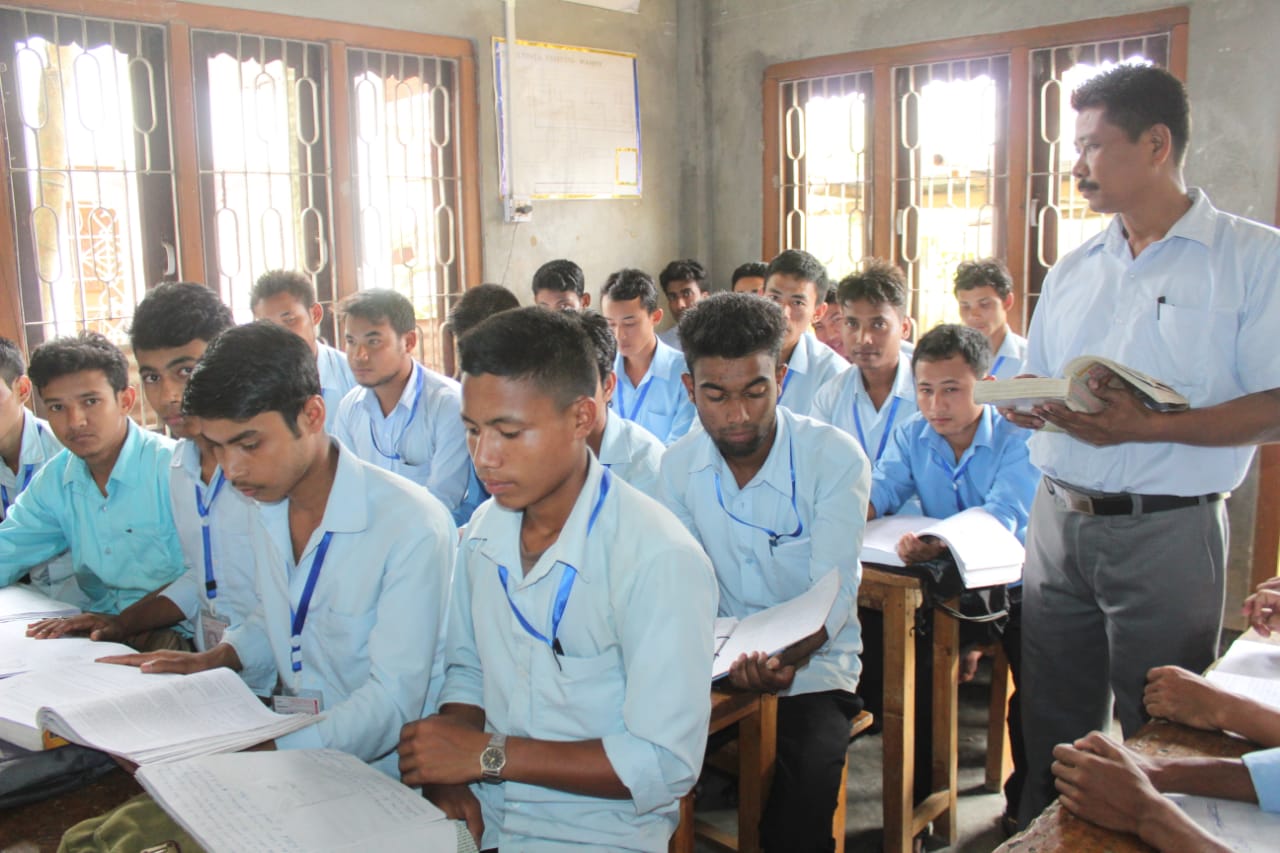
ITI Admission 2026 Assam: Complete Guide to ITI Lakhimpur
Step-by-step guide to ITI admission 2026 in Assam. Eligibility, documents, courses, fees, important dates, and how to apply to ITI Lakhimpur.
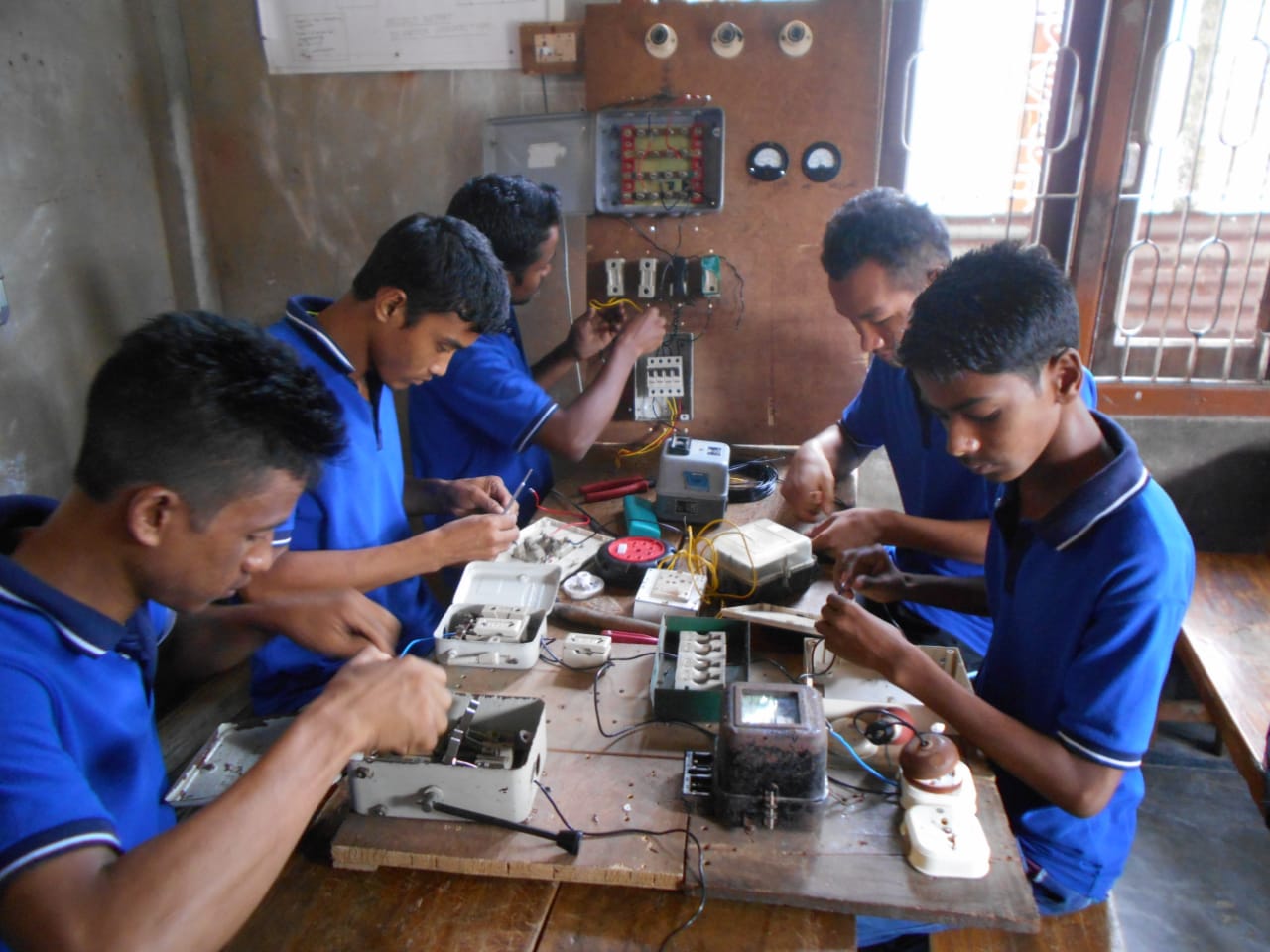
Highest Paying ITI Trades in 2026: Salary, Scope & Career Paths
Discover the top 10 highest paying ITI trades in 2026, including electrician, fitter, COPA, and motor mechanic. Compare salaries, scope, and career growth.
How to Become an Electrician in Assam: Complete Career Roadmap
Step-by-step guide to becoming a professional electrician in Assam. ITI Electrician course, certification, apprenticeship, and career growth explained.
Tags
Frequently Asked Questions
Is ITI equal to a Diploma?
No. ITI (Industrial Training Institute) and Diploma are different qualifications. ITI is a certificate-level vocational course focused on hands-on skills in a specific trade, typically 1–2 years. A Diploma (in Engineering / Technical fields) is a 3-year programme that is more theory-heavy and can lead directly to a B.Tech lateral-entry admission.
Which is better: ITI or Polytechnic?
It depends on your goals. ITI is best for students who want to enter the workforce quickly with practical skills in a specific trade. Polytechnic (Diploma in Engineering) is better for students who want a more comprehensive engineering education and may want to pursue B.Tech through lateral entry.
Can I do B.Tech after ITI?
ITI graduates are generally not eligible for direct B.Tech admission. They can pursue AMIE (Associate Member of the Institution of Engineers) or other professional certifications. For B.Tech, Polytechnic diploma is the more common pathway.
Is ITI valid for government jobs?
Yes. ITI is a valid qualification for many government technical posts, including roles in PSUs, railway divisions, state electricity boards, and public works departments. ITI certificates recognized by NCVT or SCVT are accepted.
What is the salary difference between ITI and Polytechnic graduates?
Starting salaries can be similar in some trades, but Polytechnic diploma holders often have a slight edge in industries that prefer a more comprehensive technical education. Over time, salary differences depend more on individual skill, experience, and chosen trade than the type of qualification.
Ready to start your ITI journey?
Apply for the 2026 academic session at ITI Lakhimpur, North Lakhimpur, Assam.